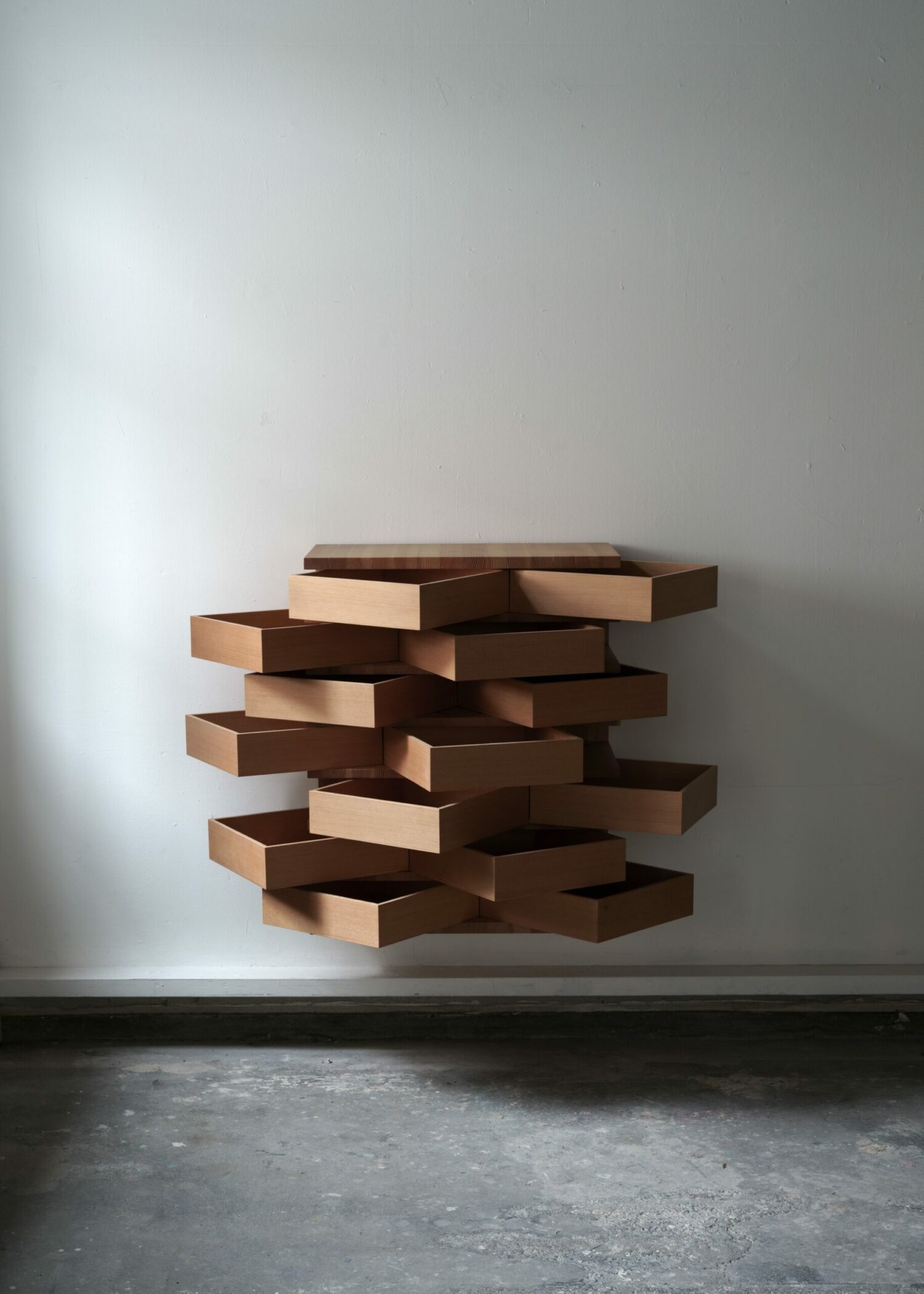
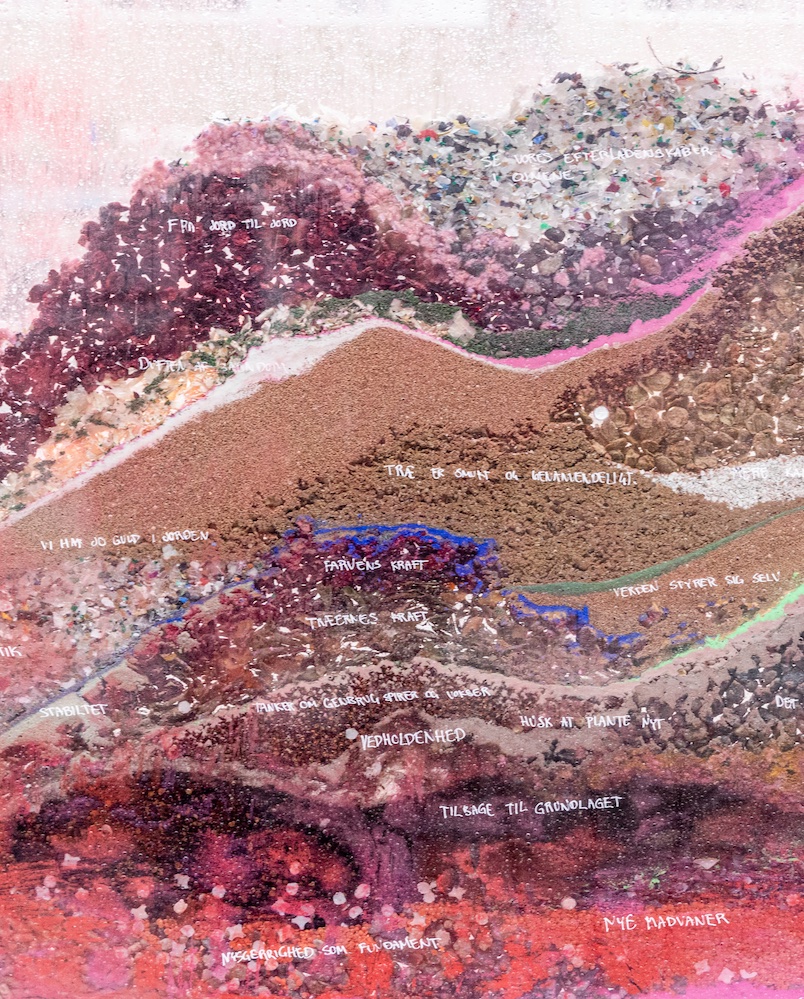
Nevertheless, it is my theory that the most sustainable object is changeable, unfinished and, yes, raw. Continue reading here Dive into the archive Durability Circulation Theory
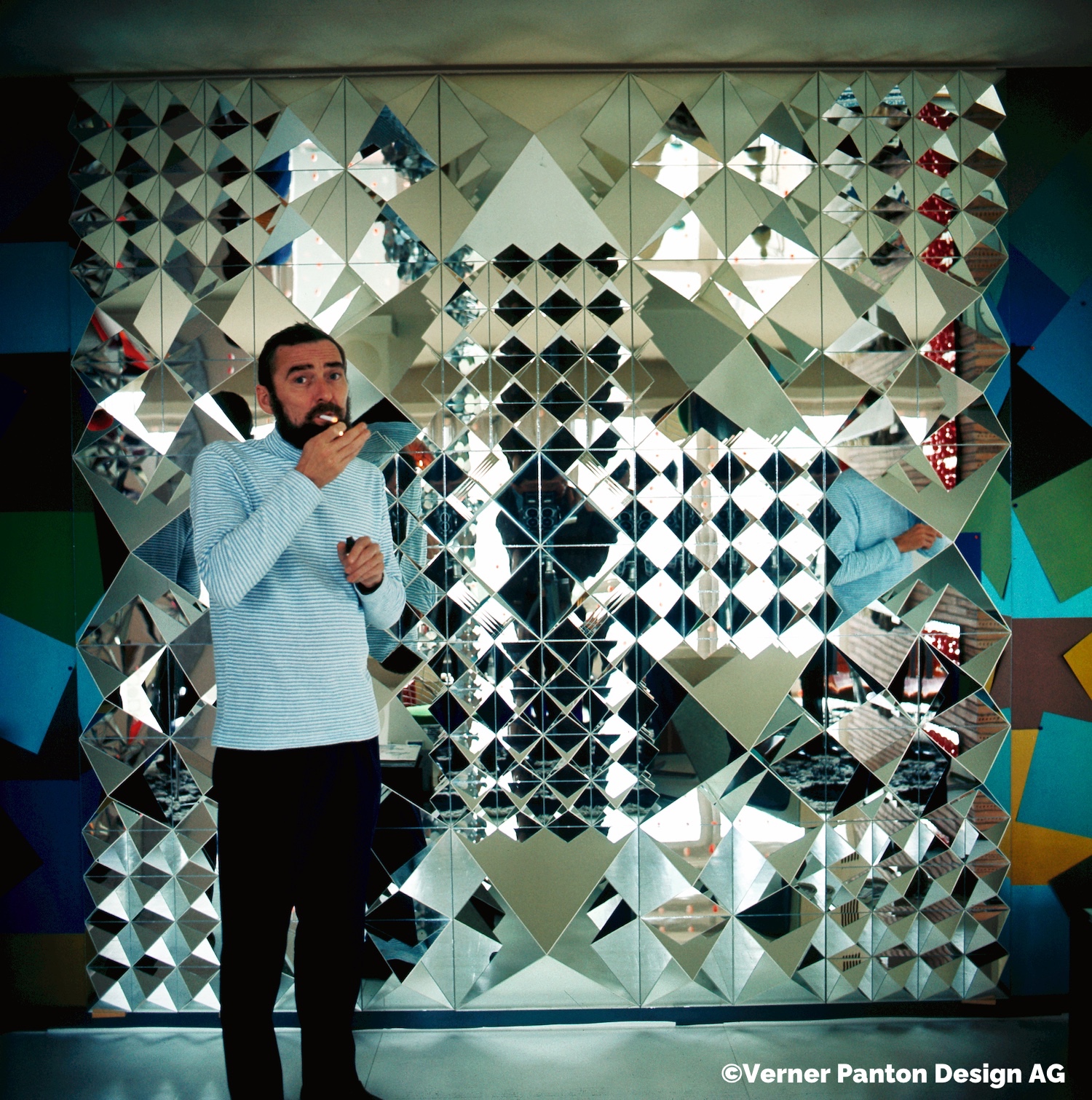
The key element in his speech is Panton’s interpretation of taste and well-being, where he rhetorically asks the question: can one develop a theory of feeling good? Bourdieu thus provides an empirically grounded theory for the analysis of taste. Verner Panton Bourdieu Thriving Aesthetics Colors Exhibitions History Research Theory
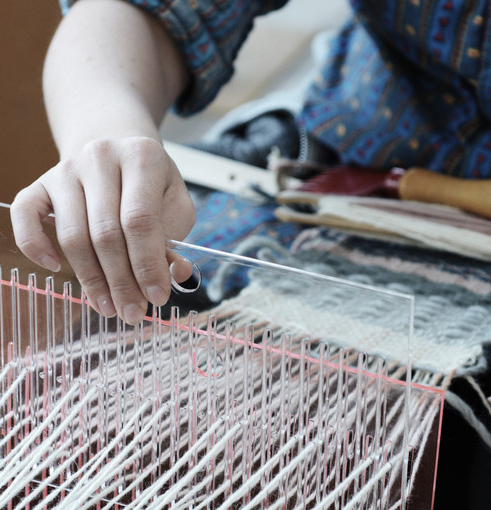
That is quite different now that the design programmes have university status, and practice, theory, method and communication go hand in hand. He is not dependent on the categories of established theory and technique, but constructs a new theory of the unique case.
We use cookies on our website to give you the most relevant experience by remembering your preferences and repeat visits. By clicking “Accept”, you consent to the use of ALL the cookies. However you may visit Cookie Settings to provide a controlled consent.
This website uses cookies to improve your experience while you navigate through the website. Out of these cookies, the cookies that are categorized as necessary are stored on your browser as they are essential for the working of basic functionalities of the website. We also use third-party cookies that help us analyze and understand how you use this website. These cookies will be stored in your browser only with your consent. You also have the option to opt-out of these cookies. But opting out of some of these cookies may have an effect on your browsing experience.