Denmark needs a new design policy, but what should it include in order to accommodate independent craft artists and designers? Formkraft explores this question through interviews, articles and debates.
The first Danish design policy was formulated in 1997 and updated in 2007. Since then, there has been no separate policy for the area. Political ambitions have influenced the development of the field, but they also share a significant shortcoming: crafts are largely absent. At the same time, the world has changed radically. The climate crisis, green transition, local production, health and well-being, and the need for both craftsmanship and resilience call for new answers – and new political priorities.
The role of designers and artisans has also changed. Consumers, authorities and partners are placing new demands on the circular economy, documentation, responsible production and social relevance, while new opportunities are opening up to rethink materials, methods and forms of collaboration. Therefore, the time has come to formulate a contemporary crafts and design policy that reflects the current and future reality of the field.
What specific challenges should a design policy take into account?
The structural conditions must be taken seriously. Most artisans and designers run their own businesses and have to contend with administrative and bureaucratic burdens. For example: VAT on teaching, artist VAT, copyright issues and documentation requirements make life as a self-employed artist difficult today.
A new design policy should address the barriers and create more sustainable working conditions.
Education is another focus area. How do we ensure that special techniques, methods and a deep understanding of materials are passed on to new generations? And how do we strengthen knowledge sharing across the Nordic region and Europe? Both formal education and international networks offer great potential that has not yet been fully exploited.
Finally, crafts and design should be given much greater consideration in public spaces and built environments. A national knowledge centre for collaboration between architects and artisans/designers, or a Danish counterpart to the Norwegian KORO, could be a concrete step in that direction.
The above points are just some of the issues that could be relevant for the crafts and design industry to unite around. Formkraft gives a speaking opportunity across the field and examines what has worked, what needs to be discarded – and what the field is lacking!
Join the debate – and help shape the new Danish crafts and design policy!
On Monday, 2 February, Danish Crafts & Design Association organized a Biennale seminar entitled The Designer’s New Role – Towards a Sustainable Future at Design School Kolding. The seminar focused on issues such as knowledge transfer, practical skills development, and the political obligations of design schools.
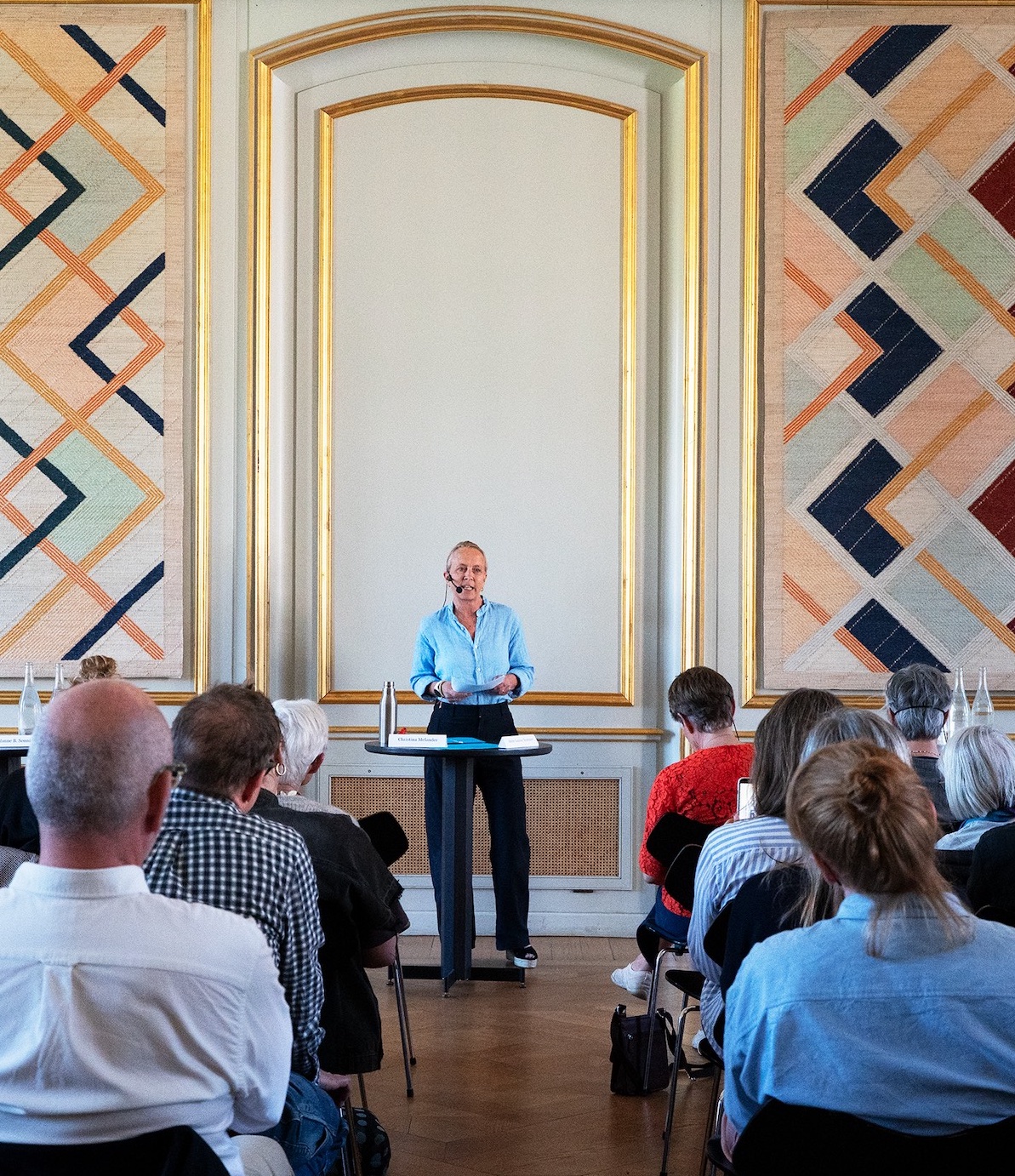
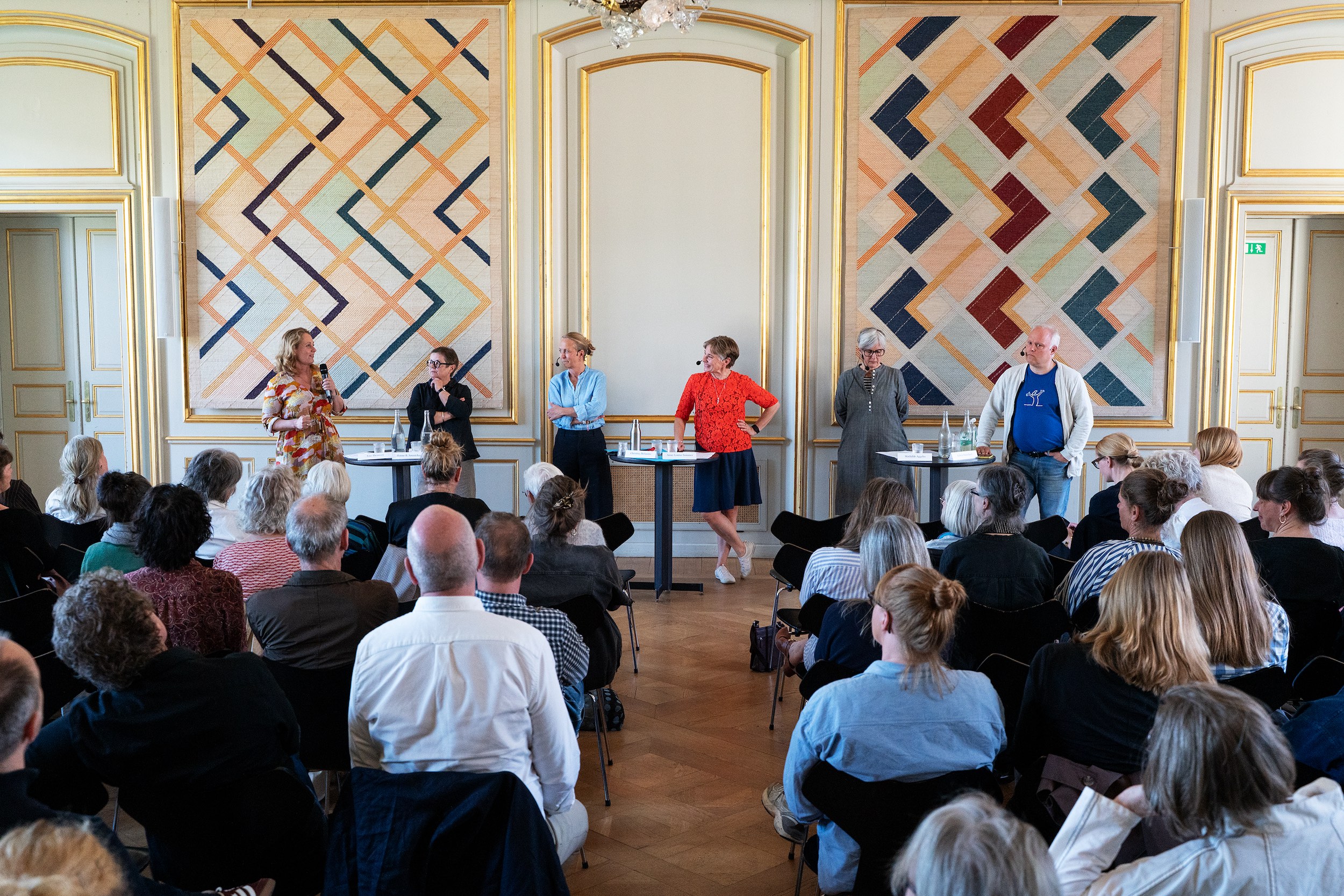
On 1 May, Formkraft and Danish Crafts & Design Association invite you to a debate on a new Danish crafts and design policy at Design Museum Denmark. Here, we will gather voices from across the field for a joint conversation about what a new design policy should contain.
So come and help shape the policy that will carry Danish crafts and design into the future.
Follow the ongoing publications on the subject and dive into Formkraft’s extensive archive.