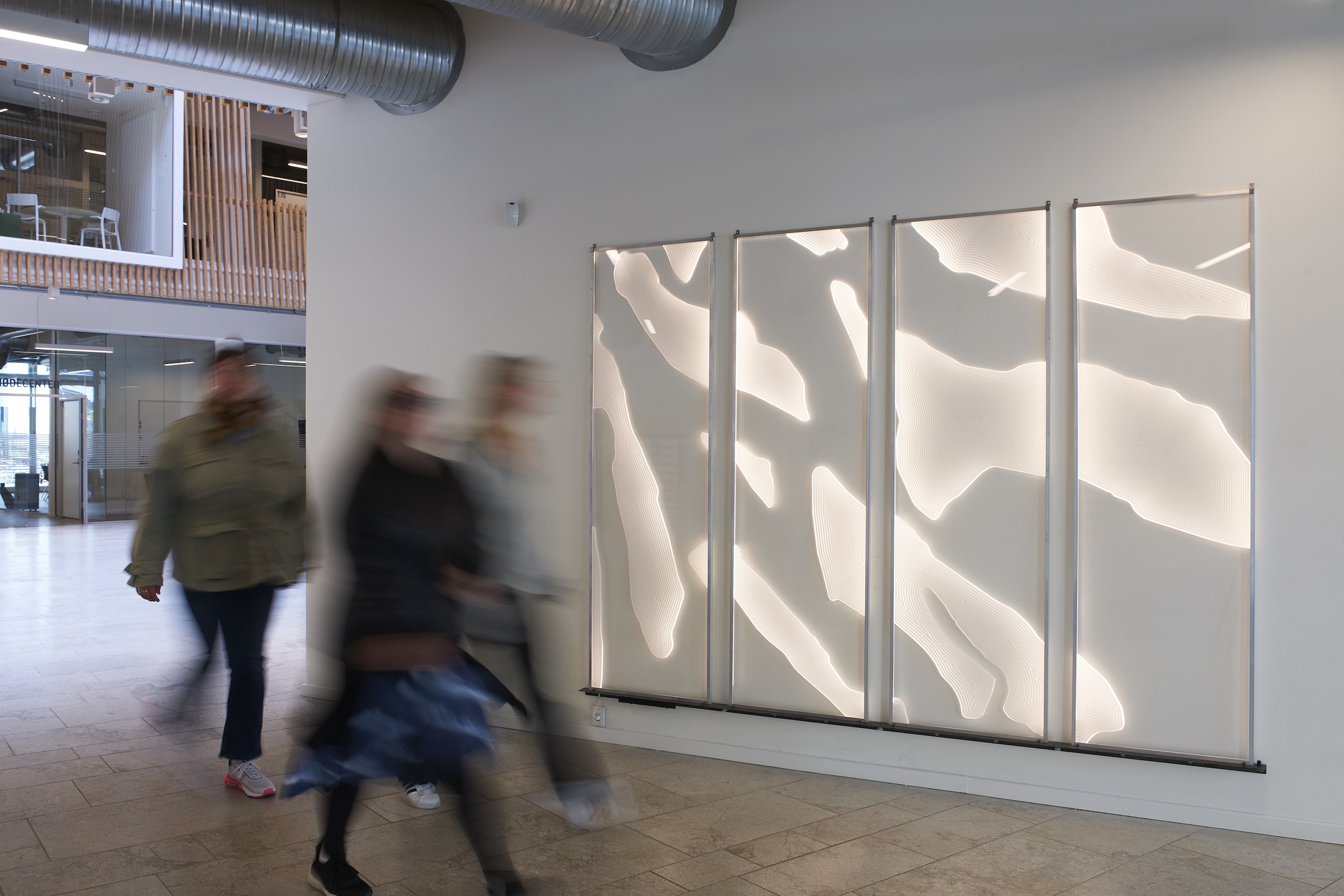
[…] have a permanent seat at the table when municipal art councils make decisions. This could be the key to integrating crafts and design more deeply into the decoration of public spaces and institutions. Since 2010, ceramicist Nina Lund has been advocating precisely for this—encouraging local politicians to recognize the valuable role that craftsmanship can […]

Read interview

Straw on time

Portrait

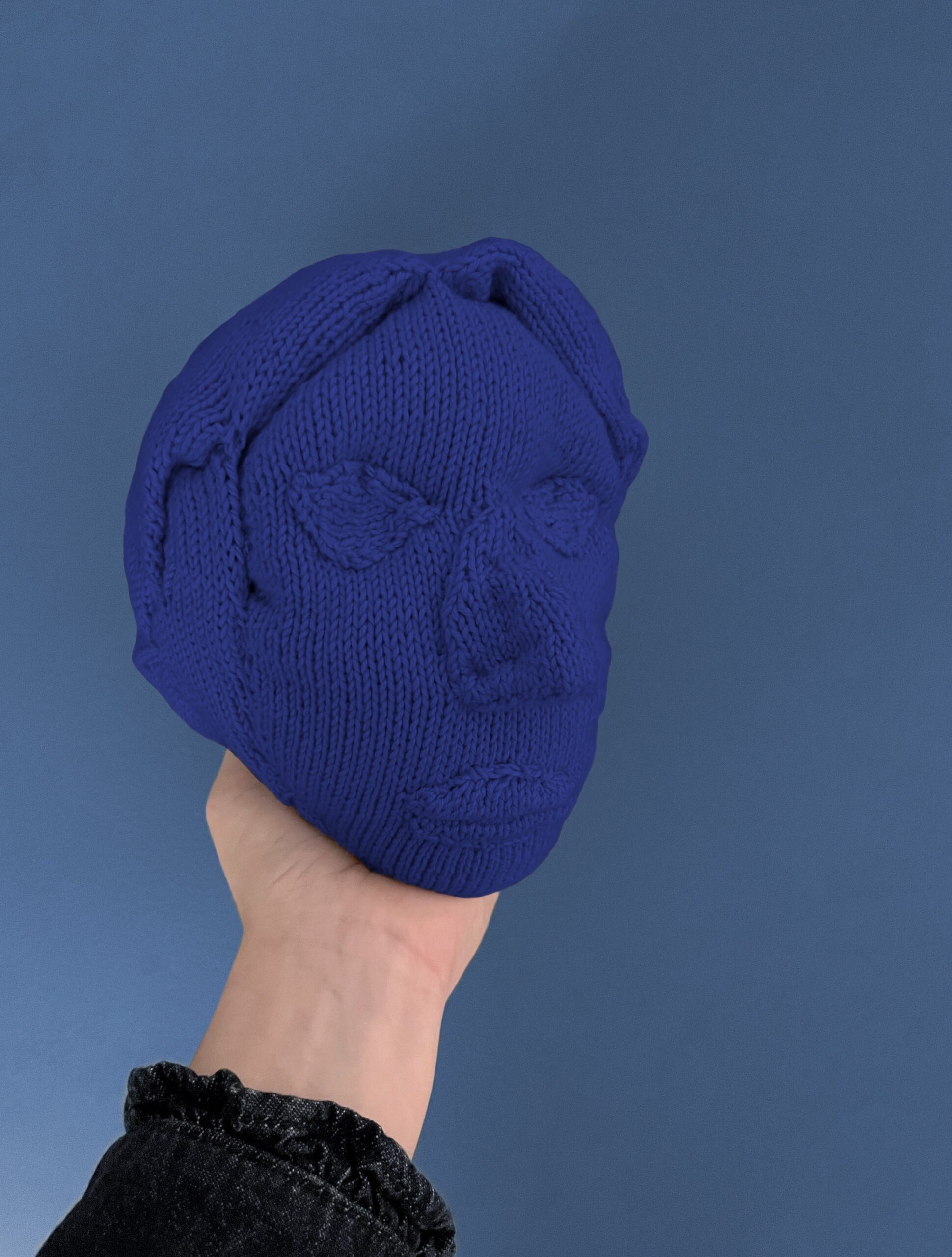
[…] the paint lies a seahorse that she once adorned the table with. She asked one of the teachers if they could teach her intarsia, the motif-based furniture decoration, which many may know from Renaissance and Baroque furniture. His response was that she could simply take a hobby knife and try it at home. 'In […]

Read portrait

I wonder why

Speakers Corner

[…] constructed or renovated public buildings. The Art Circular, which has been in existence since 1971, stipulates that 1.5% of the construction costs should be allocated for artistic decoration. (Source: Circular on Artistic Decoration of State Buildings) But how many craftsmen and designers have actually been given such assignments over time? I only know of […]

Read speakers corner

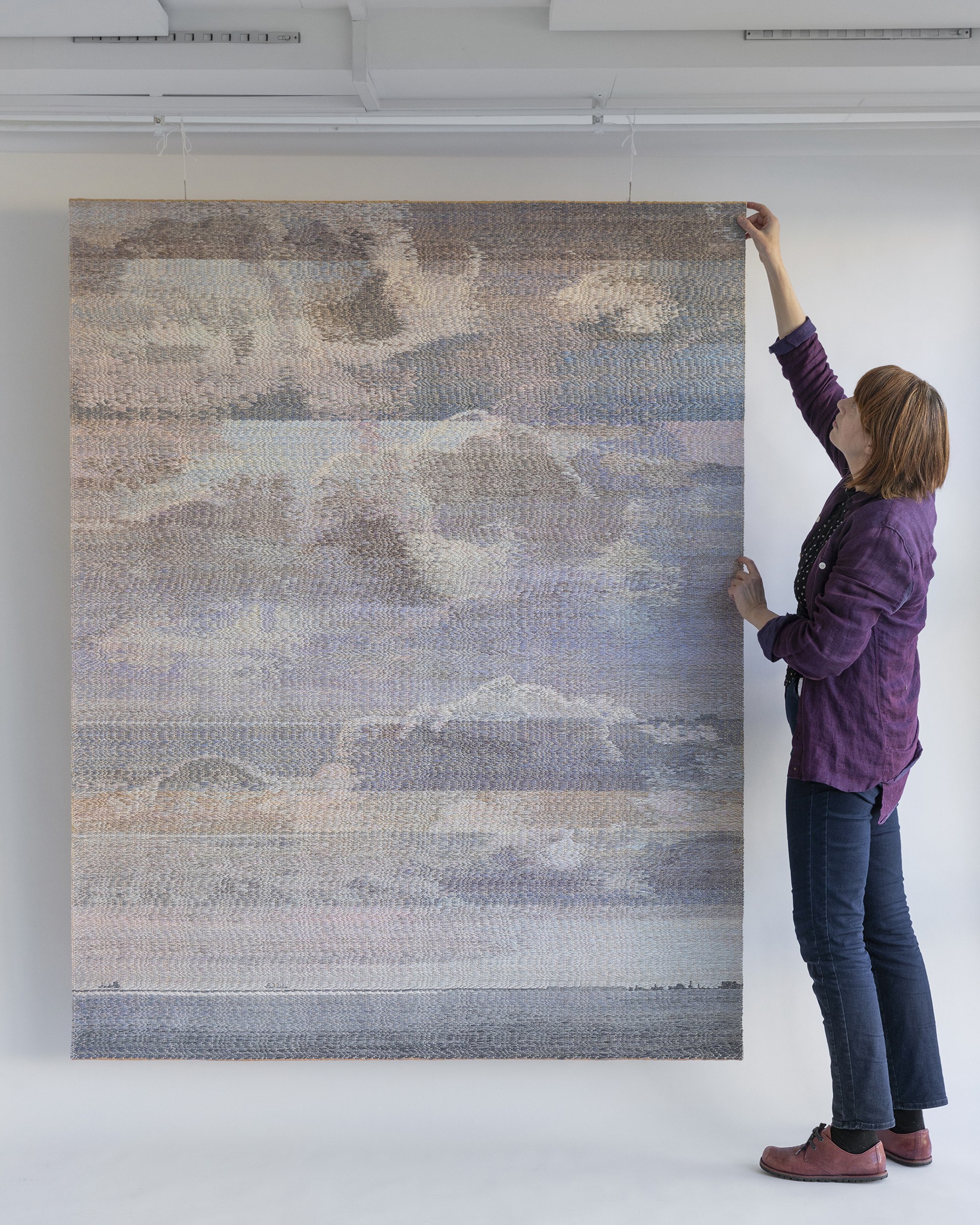
[…] hand-weaving tapestries as tall as a person. Grethe Sørensen’s pixellated pointillism and Astrid Krogh’s forward-looking techno-textiles from the 2000s are in a league of their own. In decorations for the Danish Parliament and Mærsk Data, Krogh draws on inspiration from kilim rugs and uses neon as thread in a reflection on the history of […]

Read theme article

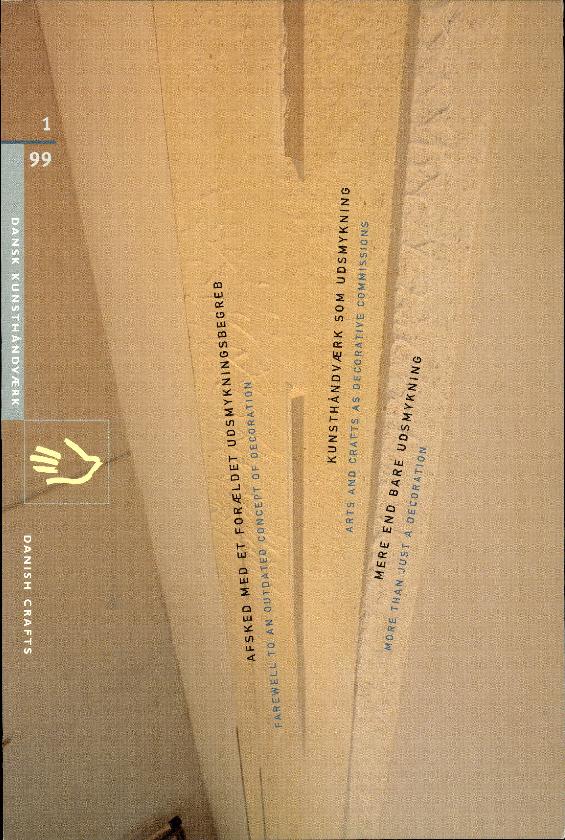
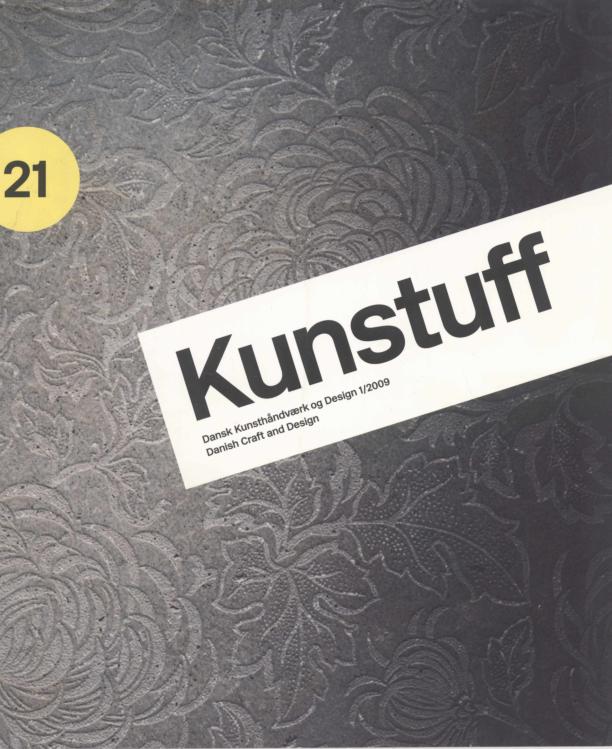
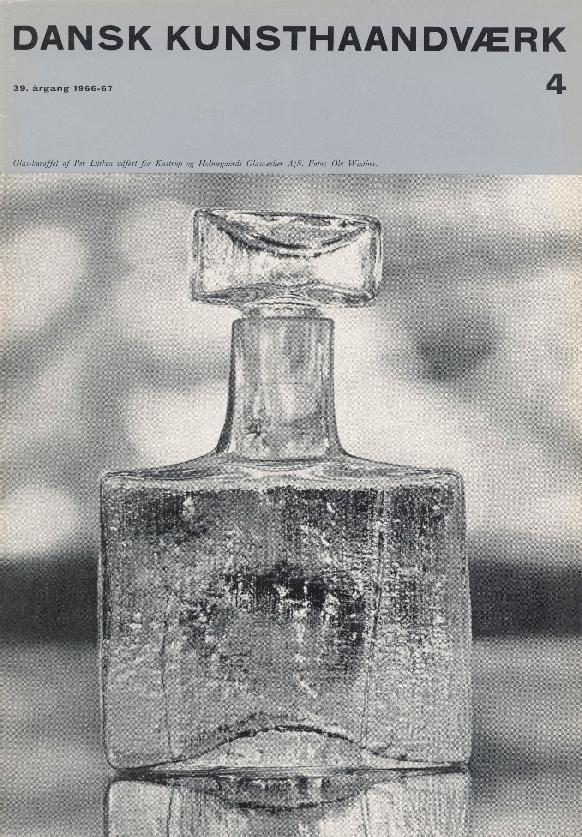
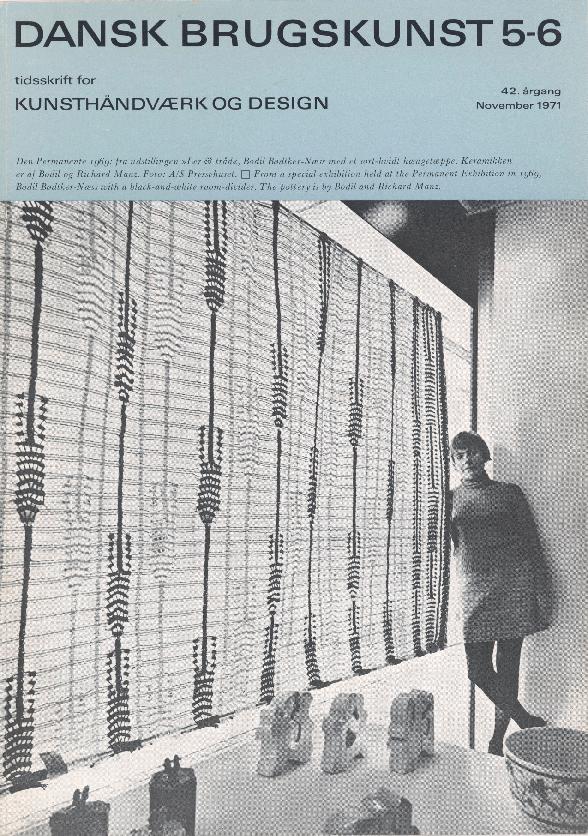
From the Archive Dansk Kunsthåndværk/Danish Crafts 1/99 "This issue of Danish Crafts has a focus on the role of crafts in relation to architecture and decoration. Much has also happened in this area in recent years, and as will be seen from the articles, many artisans today are well equipped to enter into qualified […]

Read review

[…] Arts Décoratifs – art for everyday use, a democratisation of high art for the general aesthetic enhancement of both private and public spaces. The growing problematisation of decoration as "inauthentic" and "superficial" during the same period was partly to blame for the fact that ‘decorative’ art was quickly pushed out, and only ‘pure’ art […]

Read review