

In early February 2026, a seminar was held at Kolding School of Design in connection with the Biennale of Crafts & Design 2025, at which we, Karen Marie and Morten, were both on the programme. Neither of us has a formal educational background in design, but we represent what might be called a broader understanding of what design is.
From different perspectives – Morten as an ethnologist (albeit with many years’ engagement with design methodologies in particular) and Karen Marie as a materials-oriented engineer (albeit with a focus on design) – we work, as researchers and educators, to understand and challenge what design practice is, and how design as a discipline and profession remains – and indeed is becoming even more so – relevant in the society of today and tomorrow.
The field of design finds itself – and has always found itself – at the intersection of various traditions, fields of interest, practices and worldviews, and evolves in step with society. However, the discipline of design must still embrace the tension between the basic and the sublime, between the unique and industrial production, between arts and crafts and mass production, and this gives rise to certain natural tensions.
These are tensions that we also experience at Kolding School of Design. The school, which began in 1967 as the School of Arts and Crafts, a department of Kolding Tekniske Skole (vocational college), has since evolved continuously through the introduction and phasing out of disciplines, the reorganisation of departments and postgraduate pathways, a transfer from the Ministry of Culture to the Ministry of Education and Research, and, in line with the wider educational landscape, an increasing degree of academisation.
During this journey, our mission as an educational institution has evolved, and today we train designers with a foundation in artistic, material- and workshop-based teaching. Craft is part of the school’s history and DNA, and it is a professional path that some of the school’s graduates choose to pursue, but the scope for action and opportunities available to students at the school is broader, and the product-based design solution will be the intersection between the product and the context into which the product is conceived.
We, together with our sister school, the Royal Danish Academy, are of course not the only ones training designers, and both nationally and internationally we are seeing an increase in educational programmes within design.
Across traditional design disciplines
The school’s current programmes are structured as five three-year discipline-specific Bachelor’s programmes (accessory design, clothing design, communication design, industrial design and textile design,) combined with three two-year interdisciplinary Master’s programmes (‘Design for Planet’, ‘Design for Play’ and ‘Design for People’). The Master’s programmes, which were introduced as part of a revised Master’s curriculum in 2018, are framed around societal challenges where the design discipline we represent, by virtue of its history, has something unique to offer.
Students enter the Master’s programmes from a variety of design disciplines and have different understandings of what future professional practice should entail, and how they wish to develop during the Master’s programme.
To understand the landscape of profiles created by master’s programmes, we will borrow an explanatory model from design education researcher Johan Redström, who distinguishes between educational programmes as ‘points’ and as ‘trajectories’.
A monodisciplinary programme can be described as a point with a stable core (even though there may be a track within the point)
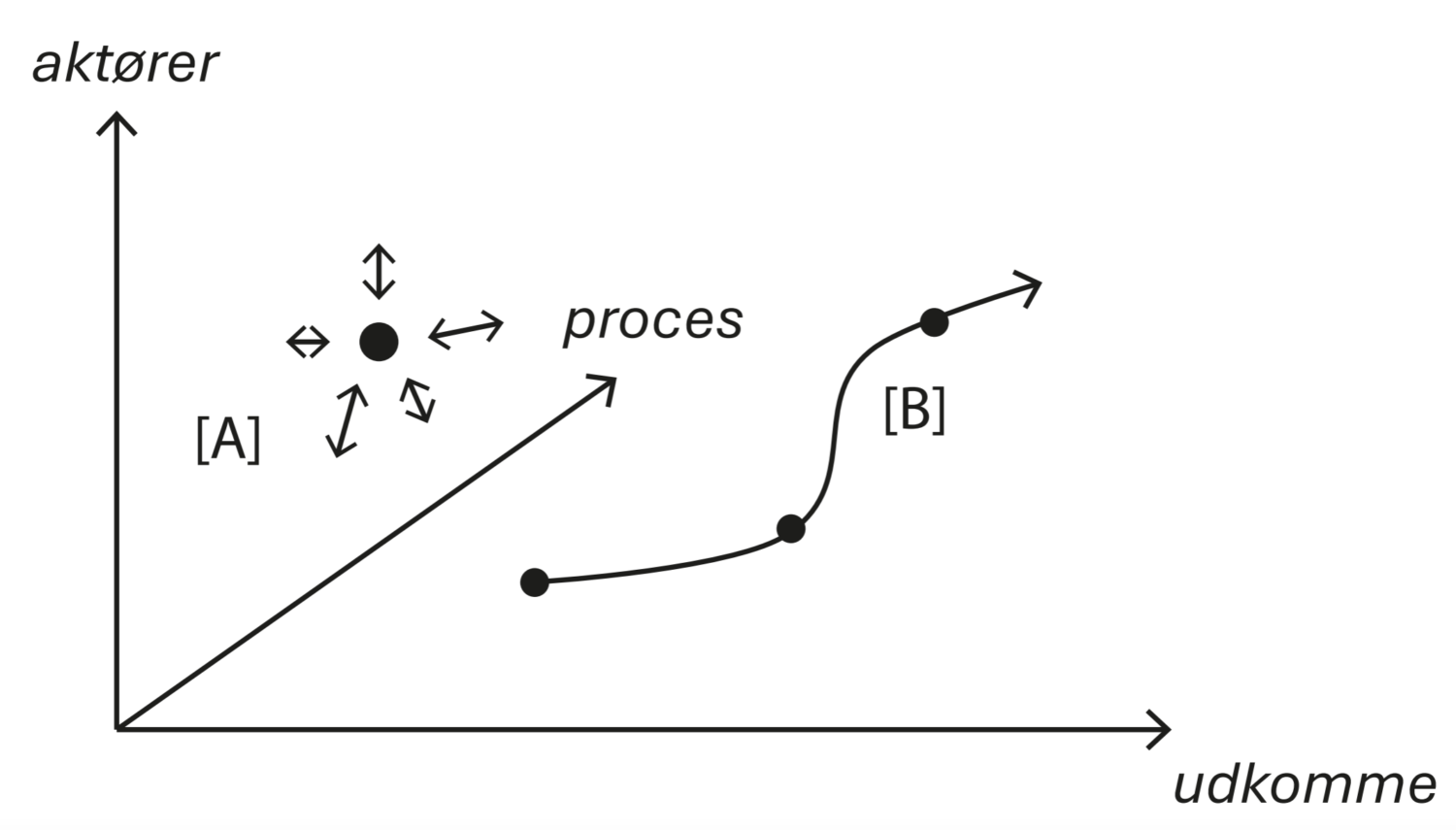
An interdisciplinary programme, such as those offered at Kolding School of Design, can be described as a pathway – or a direction – that offers a greater degree of freedom of choice and, consequently, complexity.
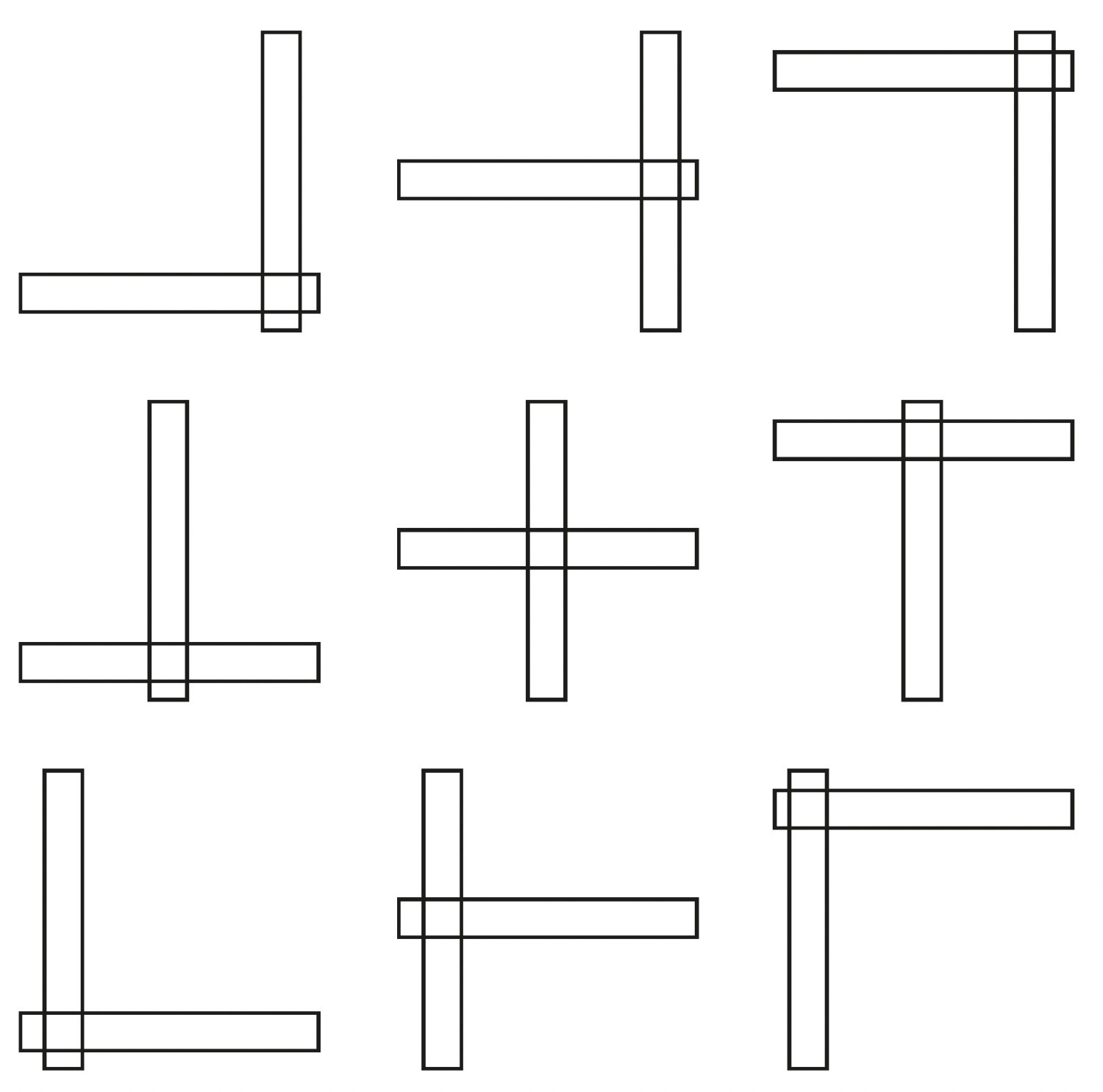
This means that our graduates represent a design landscape with a wide range of types and roles in terms of outputs, process understanding and methods used, as well as engagement with stakeholders such as users and clients.
Motivation and drive
If we take a closer look at the Design for Planet master’s programme, students are typically frustrated by the system that, as product-based designers, they are being trained to accept, and they wish to pursue a different path. A frequently asked question is therefore: Why produce more products when we already have so much?
One can understand the students, who are constantly exposed to the challenges we have created for ourselves, and that it can seem futile and insurmountable to act upon them. The paradox is that the product-based and creative designer can be seen as a product of the Industrial Revolution and a period of high economic growth and a flourishing consumer culture. So how can one argue that this type of designer still has a place in an age when we should all be consuming less?
The vast majority of our students have a burning desire to elevate their design intent to something greater and to engage more deeply with the world we live in and the society of which we are all a part. Despite a possible future with fewer possessions, we see that there is scope and a place here for the material- and workshop-based designer.
In the overlap between design and sustainability, there is a distinction between sustainable design and design for sustainability.
Whereas sustainable design seeks to make design sustainable — to respond to something unsustainable — design for sustainability concerns the use of design approaches and methods to operate within a broader field of sustainability.
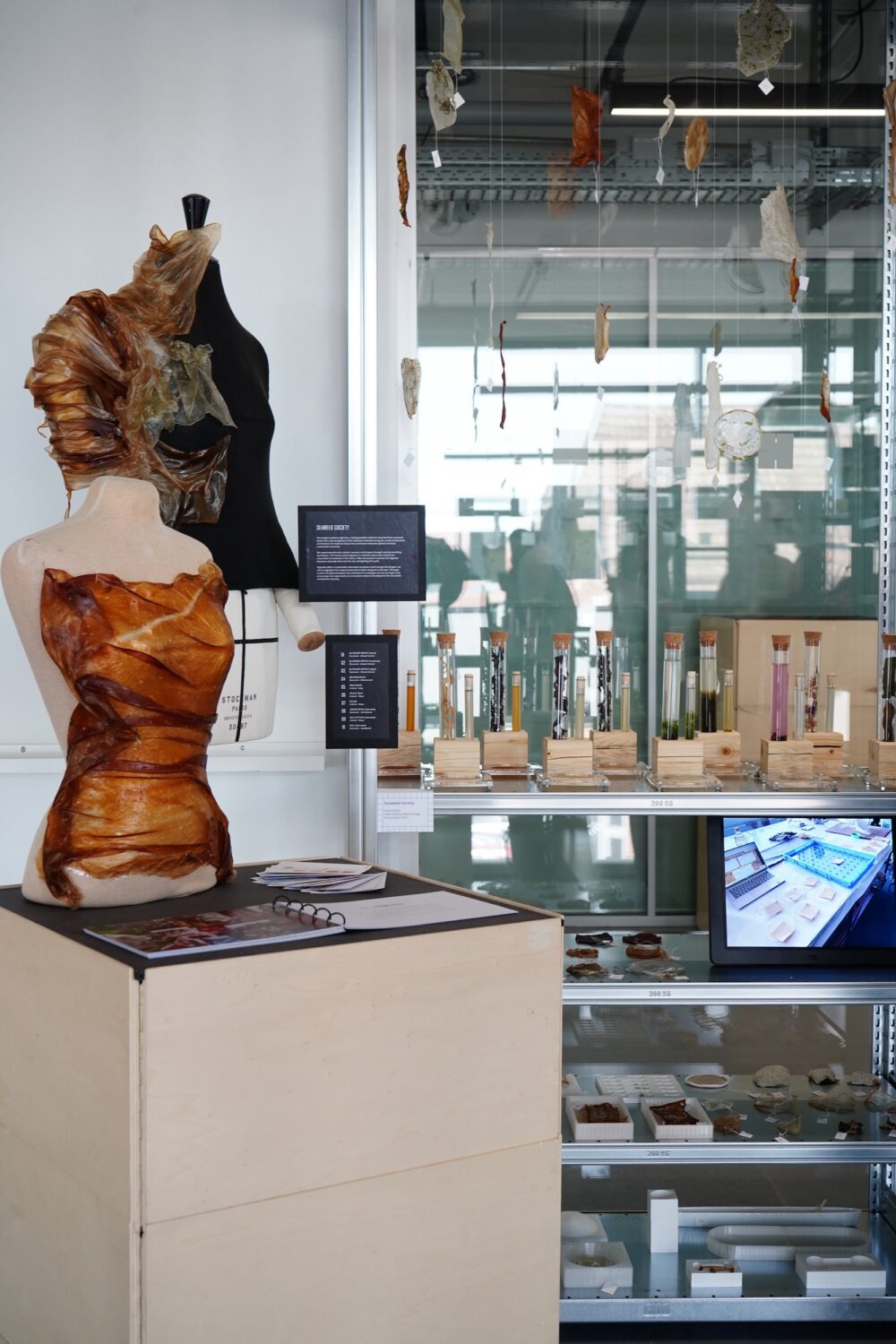
This involves acting and exploring the space of possibilities, which inherently supports the investigative and experimental practice taught within artistic design education.
Here, the focus shifts from seeing a product as the primary outcome to viewing materials and artefacts as active carriers of knowledge within design processes that can, for example, support dialogue and collaboration between stakeholders.
Thus, the emphasis is less on designing something sustainable — some would even argue that this is impossible in itself — and more on using design to explore how “something” might be done and enacted differently, using fewer and more responsible resources.
An educational journey through materials, users, and systems
The Master’s programme Design for Planet operates across different perspectives on sustainability: as a philosophy, as a systematic method, and as embodied in tangible objects.
Initially, it is connected to concepts and ideas from foundational and disciplinary studies, for example within aesthetics and ethics, colour theory, and material understanding, in order to build a shared and integrated framework of understanding.

The programme is based on a triad of material, practice, and system, each emphasised differently across various courses and contextualised through, among other things, intensive collaborations with companies and a six-month internship.
Most students come from product-oriented bachelor’s programmes, and materials serve as the initial bridge into the master’s programme.
Materials are explored as dialogue partners and as integrated elements within the designer’s practice, unfolding for example as cultural phenomena, as resources within systems, and as collaborators in processes of form-giving and design development.
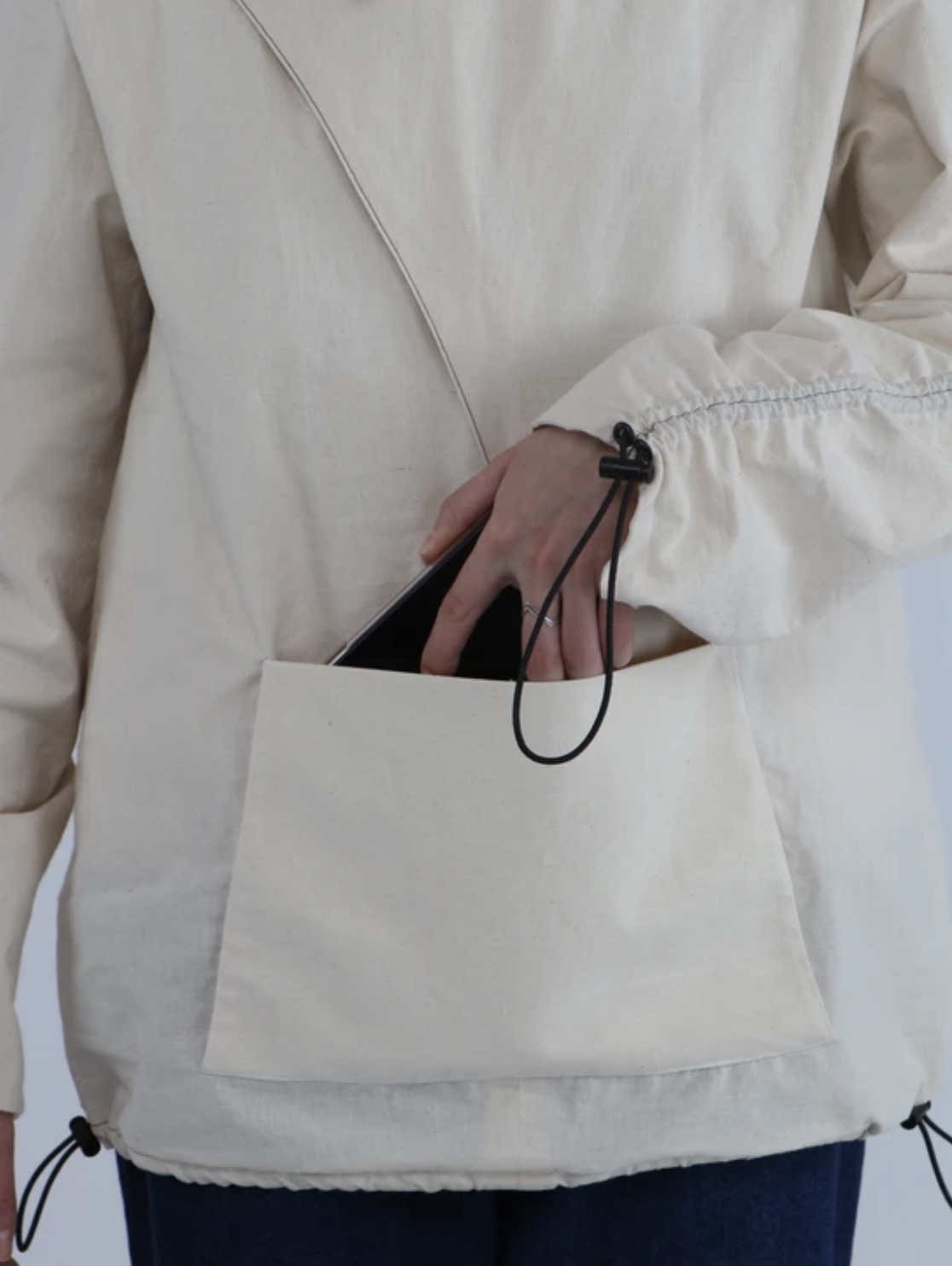
Practice unfolds the everyday lives lived by users and user groups as the foundation for designing (better) products, systems, services, and experiences. Artefacts — both those already existing and those designed as part of the process — act as participants that help materialise, create, and shape practices.
This may involve, for example, using tools (cutlery) to eat versus eating with one’s fingers, or the consumption of large amounts of clothing and textiles simply because they are physically and economically accessible, as opposed to extending their lifespan through repair strategies.
A product will always be part of one or more systems, which may be more or less intentionally designed, and which are shaped by the organisational structures and business models of which they are part. At the same time, an understanding of materials and products is essential in order to concretise and frame systems, just as it is necessary to understand the actors who interact with a system through, for example, sharing schemes or waste management.
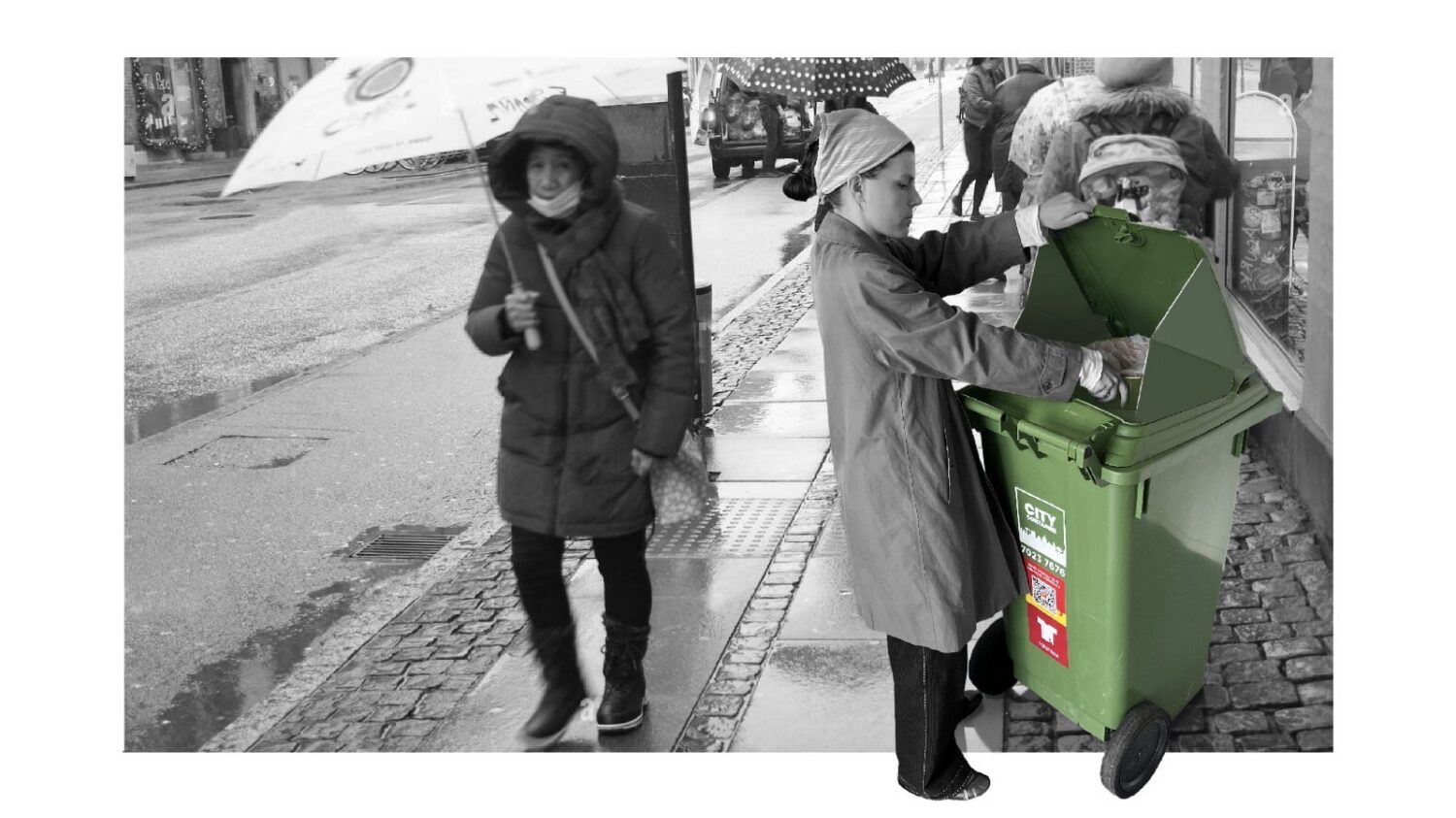
In last year’s course, students collaborated with a municipality on the handling of textile waste, which resulted in proposals for alternative container designs.
New roles and new responsibilities?
As our students move into their final projects and later into professional practice, they carry with them knowledge, perspectives, and experiences to draw upon. Some orient themselves primarily toward a specific discipline, others toward the broader field of sustainability, but all position themselves somewhere in between.
In 2024, we had the opportunity to take a closer look at the cohort of graduates from the programme. Through this, we sought to better understand the landscape of opportunities available to graduates from Design for Planet through questions such as: How are the competencies acquired in the programme translated into professional practice? How do they create new forms of employment and new workplaces? And how is the role of the designer in society understood — particularly by employers? We also sought to understand the challenges involved in the transition between education and professional practice, especially at a time when the designer’s traditional roles are being reconsidered and redefined.
We mapped the LinkedIn profiles of 84 graduates, conducted focus groups and interviews with 28 of them, and were invited to visit graduates in their professional workplaces.
Fourteen different employment typologies were identified across the private, public, and public–private sectors, spanning areas such as teaching and research, product design and development, strategic design, process facilitation and business understanding, sustainable design and ESG/sustainability reporting, as well as independent practices, including those rooted in artistic design practice.
Here, we observed that graduates drew upon competencies acquired both through the discipline itself and through the master’s programme. However, graduates were not always able to recognise or articulate when and how these competencies were being applied. We also found that competencies related to professional maturation — such as knowledge of sustainability policies and procedures, entrepreneurship, and grant application writing — were, for some, vital in the transition from education to professional practice.
This is because the field is still relatively under-established, and positions are often not formally advertised but instead emerge from within organisations and frequently require the securing of (external) funding. We therefore hope that politicians and decision-makers will increasingly support the establishment of new job categories and structures that recognise hybrid competency profiles, so that the career opportunities we see emerging beyond — yet supporting — conventional product design and development, while still informed by an understanding of materials and products, become more visible and accessible.
Is workshop-based practice and teaching still relevant?
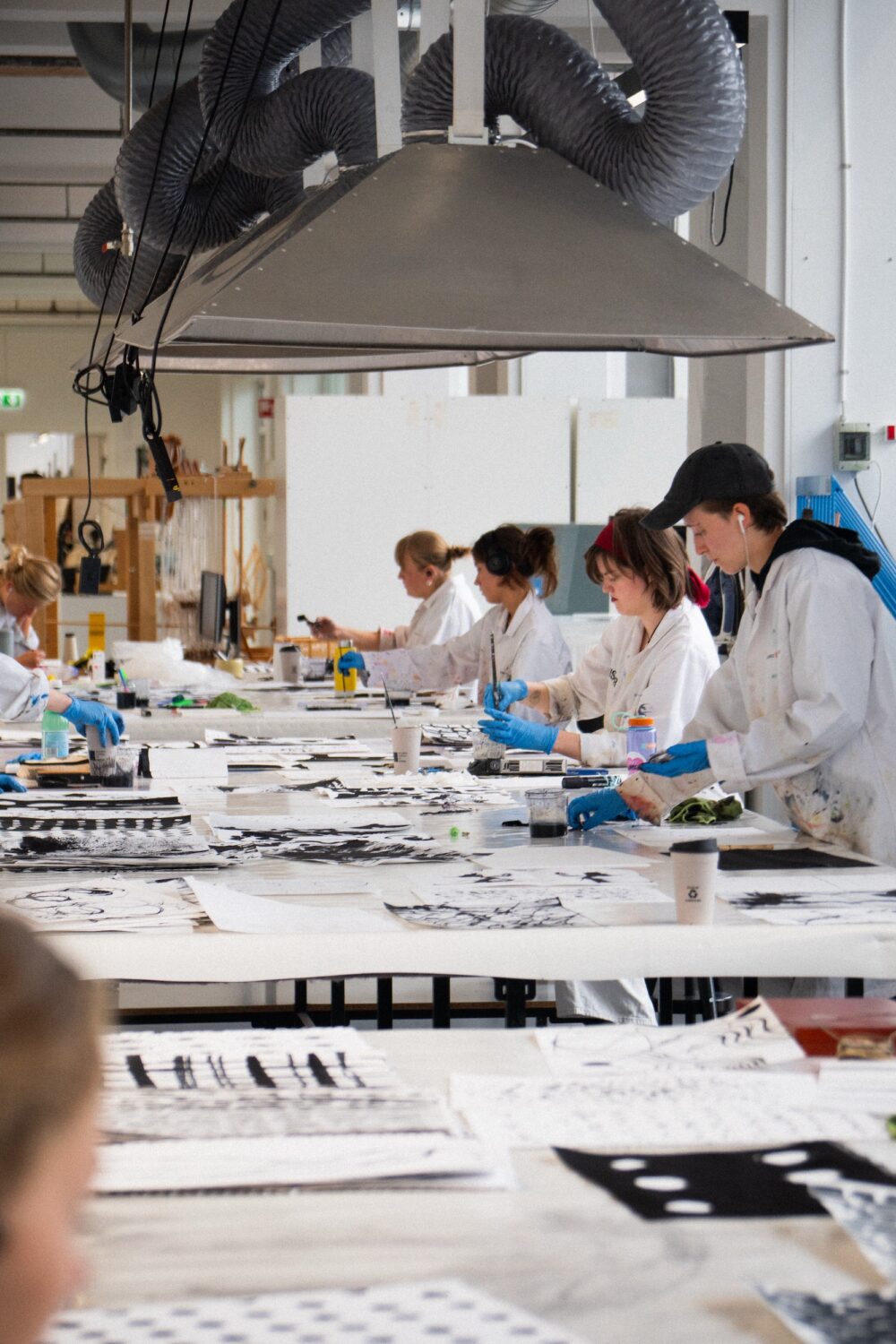
In a changing design landscape, a strong and grounded workshop-based practice must and should remain a defining characteristic of designers educated within the artistic design programmes. We are looking ahead toward new forms of professional practice, yet an understanding of, for example, materials, techniques, and form-giving remains a fundamental premise for artistic design development.
It is through these that concepts — represented through materials, products, systems, and experiences — are made tangible and become possible to engage with in dialogue.
Can designers and design education programmes embrace everything?
The short answer is “no”; it is not possible to encompass everything, and how design education programmes should be shaped and framed remains an ongoing discussion. Embedded within this is an awareness that, as a design school, we must articulate our position within the design landscape even more clearly — and support students and graduates in doing the same — so that there is alignment between what is desired, what is offered, and ultimately what society needs.
Facts
Karen Marie Hasling and Morten Krogh Petersen are associate professors and part of the research leadership at the Laboratory for Design and Sustainability at Kolding School of Design. In addition, Karen Marie Hasling is programme director of the MA programme Design for Planet, while Morten Krogh Petersen is head of studies for the institution’s professional diploma programme.
Sources
Kucher, I., Hasling, K.M., & Ræbild, U. (2025) Sustainable Design Competences in Action: Bridging Educational and Professional Practices, i Clemente, V., Gomes, G., Reis, M., Félix, S., Ala, S., Jones, D. (red.), Learn X Design 2025, 22-24 September 2025, Aveiro, Portugal. https://doi.org/10.21606/drslxd.2025.111
Redström, J. (2020). Certain Uncertainties and the Design of Design Education’. Design Education.Part I 6 (1), s. 83–100. https://doi.org/10.1016/j.sheji.2020.02.001.