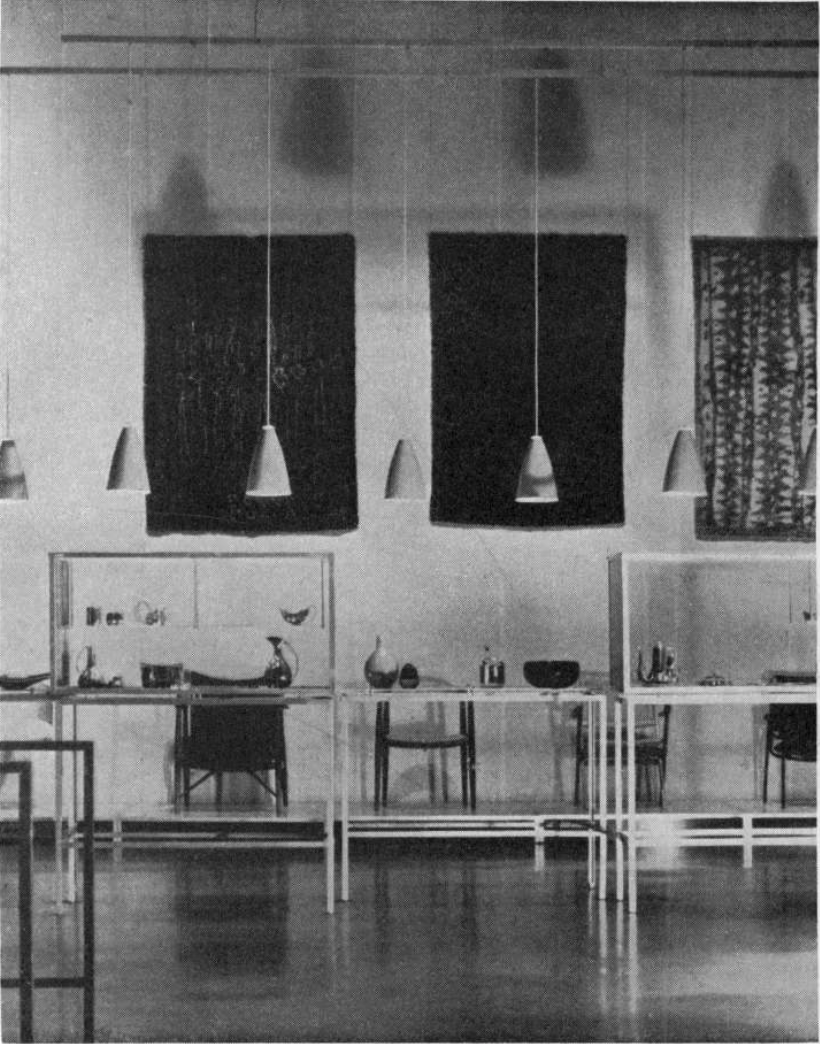
[…] of the newest – instead of being limited to showing the best of the newest of the never-before-seen. The arbitrary emphasis on novelty value should not prevent the Biennale from remaining an important element in the infrastructure of Danish craft and design as a communicating, history-making and career-promoting event. Explore more about Design exhibitions here.

Read article

Sources  Dansk Kunsthaandværk, 1951–66. Fallan, K. (2017). Designing modern Norway: A history of design discourse. Routledge. Guldberg, J. (2011). Scandinavian design as discourse: The exhibition design in Scandinavia 1954–57. Design Issues, 27(2). Hansen, P. H. (2018). Danish modern furniture 1930–2016. Syddansk Universitetsforlag and Lindhardt & Ringhof. Huldt, Å. H. (1954). Rapport om Design in […]

Read theme article

[…] itself Denmark’s design memory. Embedded in the museum’s very DNA is a national responsibility to document, preserve, and communicate Danish craft, applied arts, and industrial design throughout history – for the benefit of both the present and the future. This places significant demands on how works are collected, explains Christian Holmsted Olesen, Head of […]

Read interview

[…] the scenes are handheld, sporadic and often not documented. In the absence of documentation, the exhibitions, practitioners' works and intentions do not become part of the factual history of design and thus tradition and research. This is a problem in relation to the ongoing cultural heritage and distorts the image of the field. Because […]

Read article

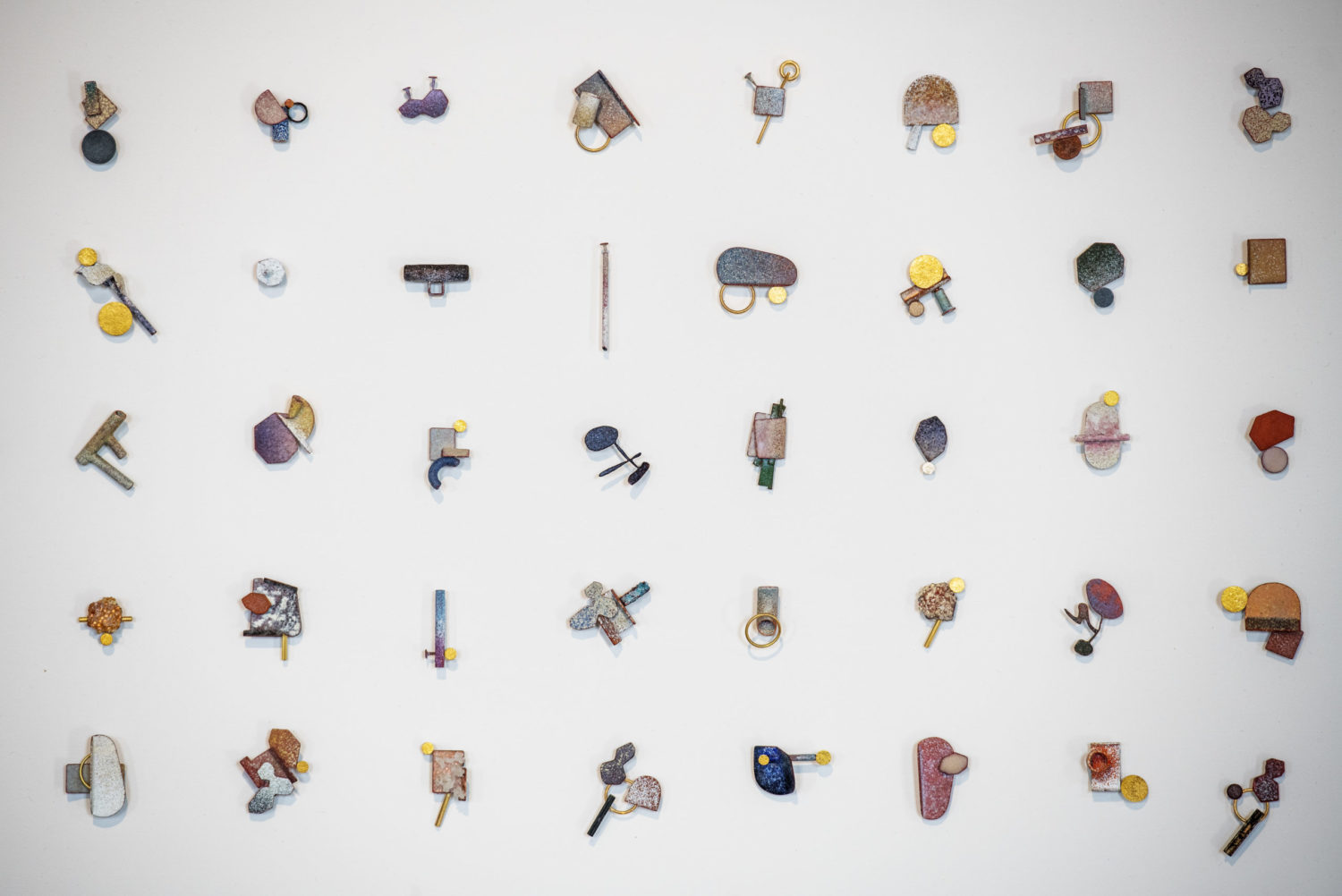
[…] dear relative, or they are connected to a special event. But what happens to the jewellery when Copenhagen transforms into the City of Jewellery, when the jewellery moves from the private sphere to the public space? When we wear jewellery and talk about jewellery, they tell us stories that connect personal history with collective history.

Read article

The open and welcoming city – an ideal that is coming under pressure? style="font-weight: 400;">Throughout the history of urban planning and architecture theory, the diverse, socially inclusive and welcoming city has been the ideal for democratic city planning (Aristotle, ca. 350 BCE/1995; Jacobs, 1961; Sennett, 1990). Public spaces and city squares welcome everyone, regardless […]

Read article