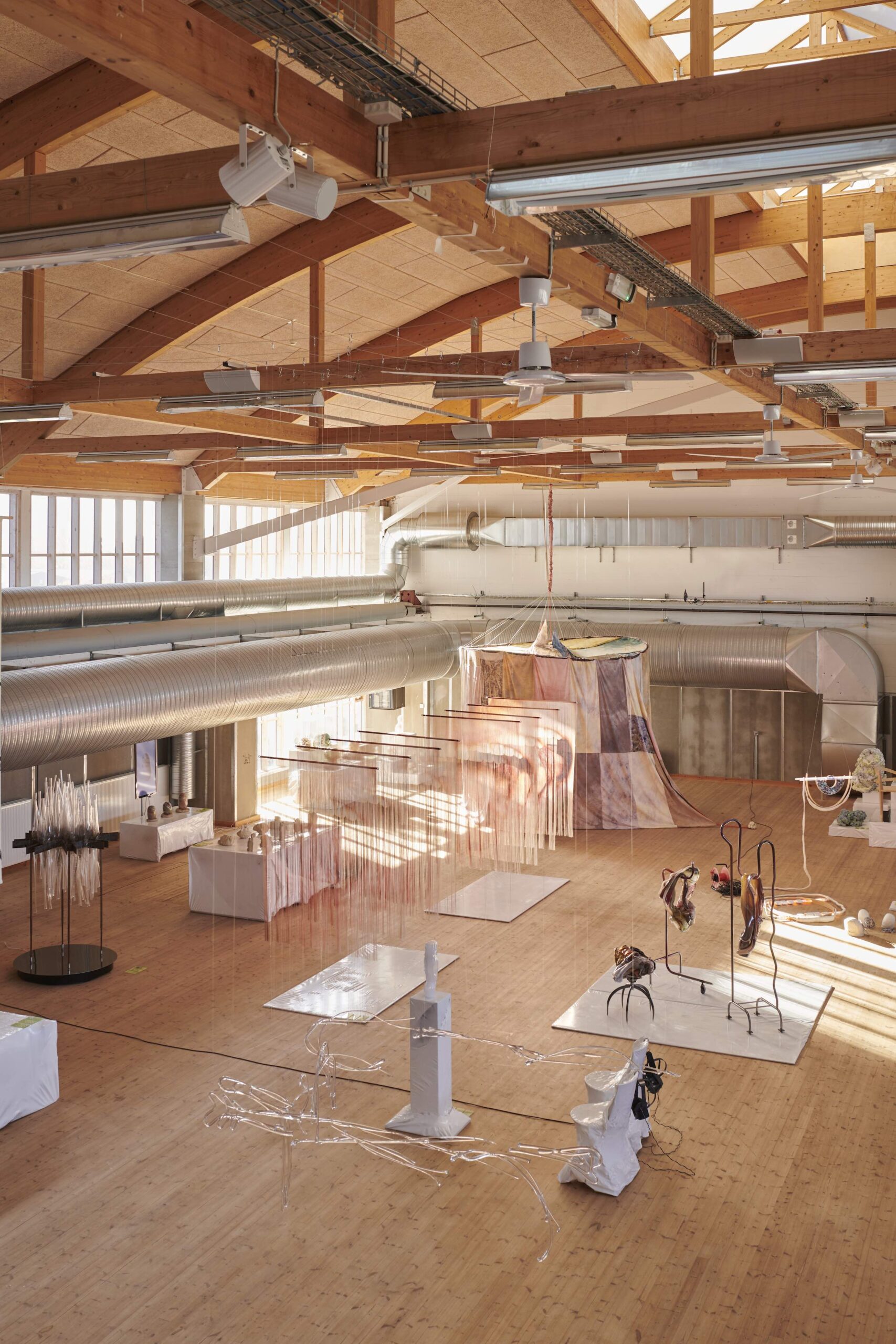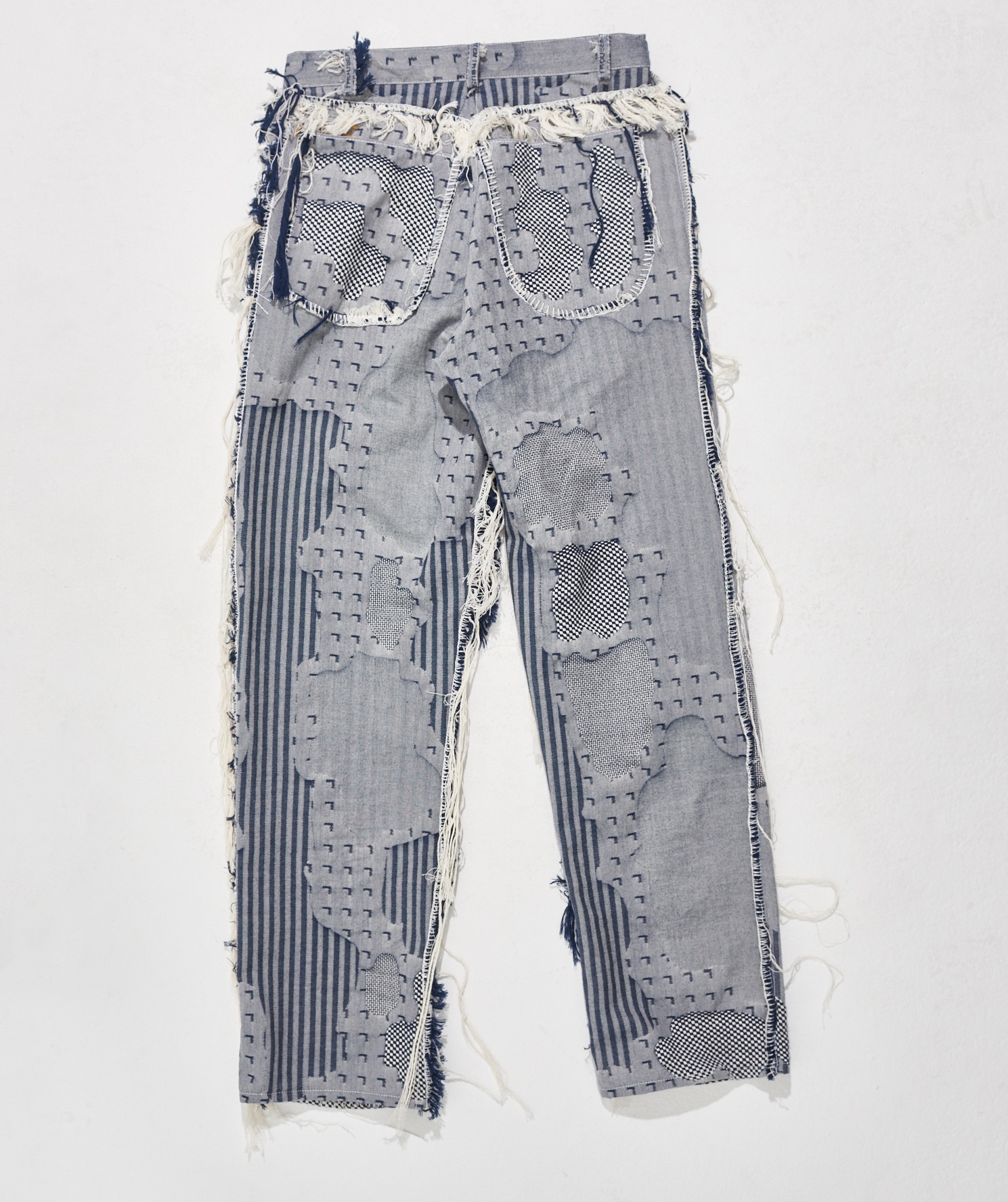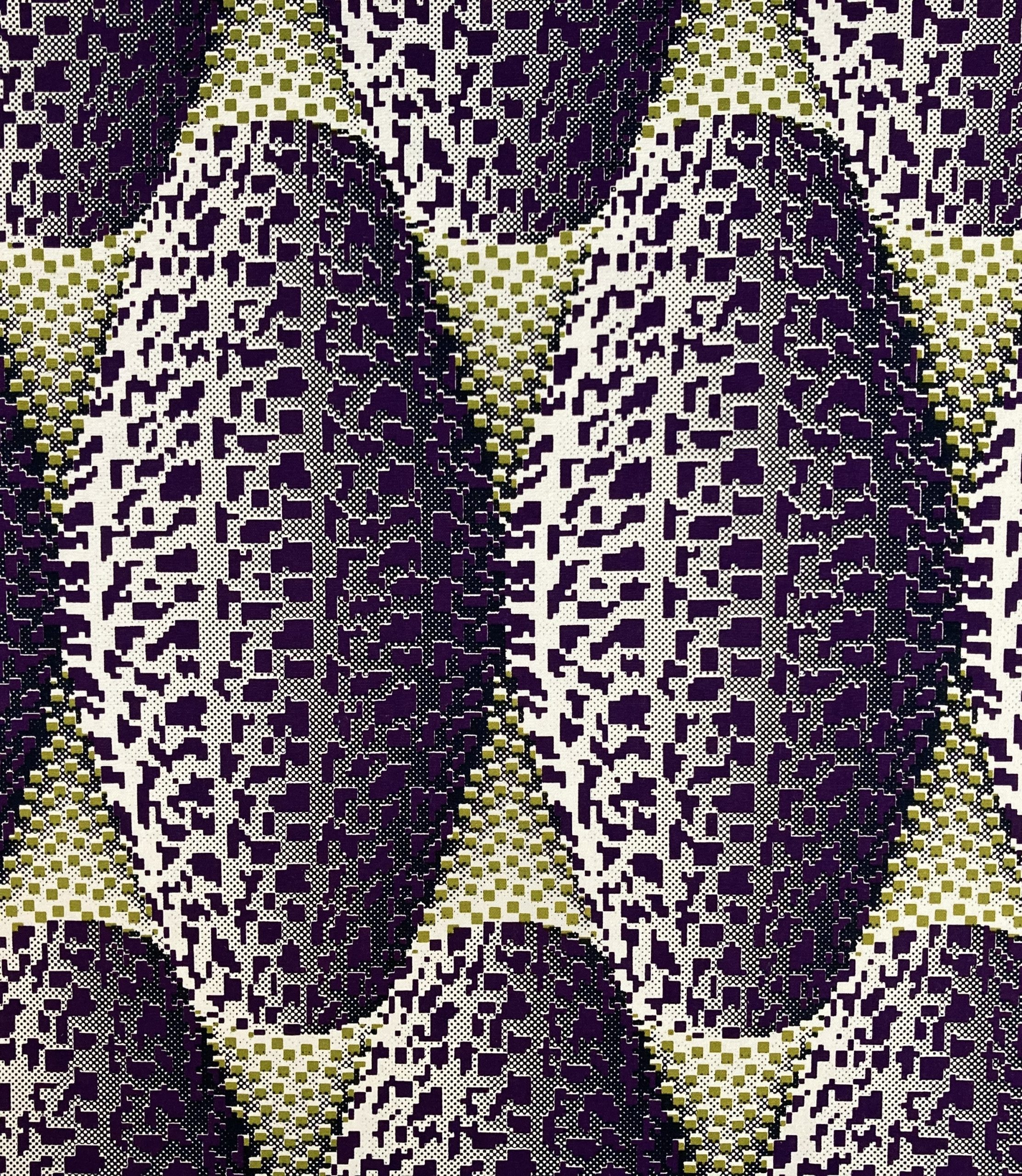
[…] digitally from locations in several countries. This ironic point reflects a core aspect of the theme: nothing is more sensuous and tangible than crafts. That quality requires materials, people and methods to come together physically in the workshop, and yet, the field cannot escape the digital conditions of our current time. Everyone is bound […]

Read article

The City

Foreword

[…] Professor MSO Kirsten Marie Raahauge has examined what happens to cities when welfare services disappear. In the present theme, Raahauge writes about the post-welfare city in a materialistic context. The case study is Tønder, which, with its 18th-century woodwork, historical welfare institutions, its time as a welfare city, and its recent urban renewal, is […]

Read foreword

The City

Foreword

[…] Professor MSO Kirsten Marie Raahauge has examined what happens to cities when welfare services disappear. In the present theme, Raahauge writes about the post-welfare city in a materialistic context. The case study is Tønder, which, with its 18th-century woodwork, historical welfare institutions, its time as a welfare city, and its recent urban renewal, is […]

Read foreword

Which opportunities and consequences does the digitalization of society have for our material understanding? Consumers simply do not see the physical and social consequences, environmental impact and waste of manufacturing and thus lose the ability to choose the highest quality and most necessary products. "We need craft makers and designers to act as ‘superusers’ […]

Read foreword

[…] the global average, which is 12 tonnes. According to Circle Economy, we need to reduce this figure to eight tonnes to reach a globally sustainable level of material consumption. The report also highlights the fact that only 4% of the materials we use in Denmark is reused or recycled. That does not mean that […]

Read article

In the Western world, we live in a culture that is not just characterized by abundance, consumption and climate and resource challenges but also has a firm belief that design is a force for good! Design promotes innovation and creativity, thus contributing to economic growth, and in addition, most of us imagine that design […]

Read article